
Outdoor Spaces That Function Through Every Season
Commercial Services in Indianapolis for properties managing high-traffic grounds, seasonal weather challenges, and year-round accessibility needs
Indianapolis commercial properties face distinct landscape demands shaped by freeze-thaw cycles, heavy spring rains, and fluctuating tenant expectations. Indywork Landscaping handles commercial services across businesses, HOAs, apartment complexes, and commercial properties where outdoor spaces directly affect curb appeal, tenant retention, and operational access. The work addresses everything from soil compaction in high-traffic areas to snow-clogged access points that halt business operations during winter months.
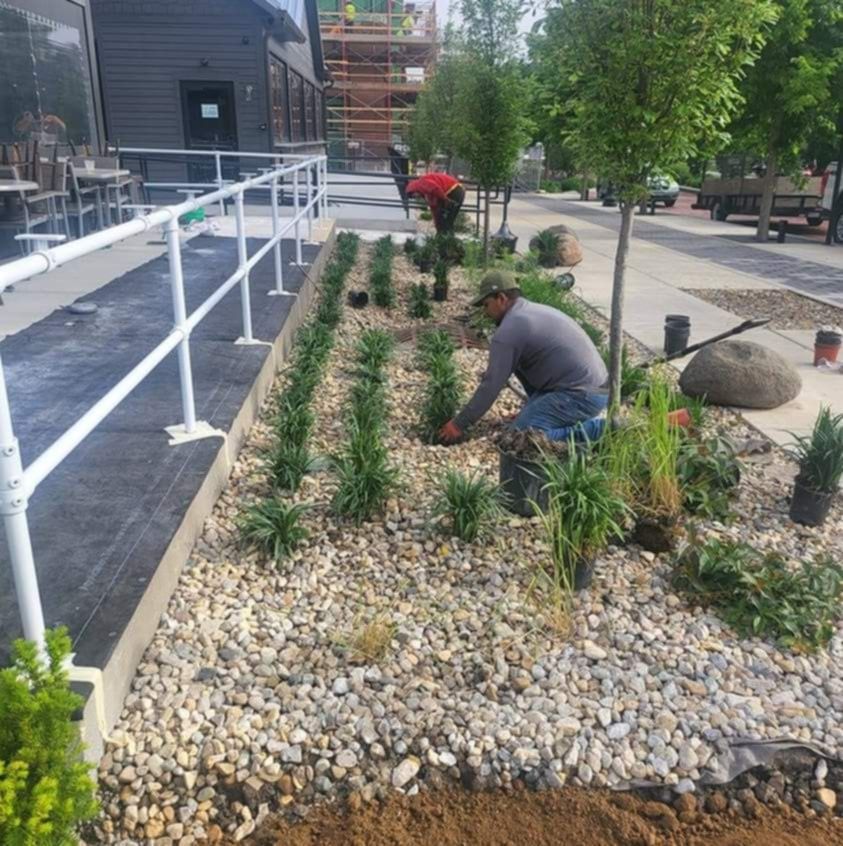
The service involves lawn care designed for high-use turf, seasonal cleanups timed to regional weather patterns, mulching that controls weeds and retains moisture during dry summer stretches, and planting adapted to Indianapolis hardiness zones. Garden bed installation accounts for drainage requirements, while sod installation includes proper soil preparation to prevent settling and erosion. Grading and water management work prevents ponding that damages pavement and creates liability concerns, and snow removal keeps parking lots, walkways, and service areas accessible when storms arrive.
Schedule a property assessment to evaluate current landscape conditions and identify seasonal maintenance priorities.
What Proper Commercial Landscape Management Requires
Maintaining commercial grounds means coordinating multiple services around tenant activity and seasonal shifts. Lawn care includes mowing schedules that avoid peak business hours, while mulching and garden bed maintenance control erosion and reduce irrigation needs during Indianapolis summers. Sod installation requires subgrade preparation that accounts for compacted soil common on commercial sites, and drainage solutions address grading issues that cause water to pool near building foundations or flood walkways.
Once drainage and erosion solutions are in place, you notice water moving away from structures, pavement staying dry after storms, and turf remaining intact on slopes that previously washed out. Garden beds stay defined without mulch displacement, plantings survive seasonal temperature swings, and snow removal routes remain clear without damage to landscape features or hardscapes. Indywork Landscaping structures each service to align with property-specific use patterns and regional weather cycles.
Seasonal cleanups remove debris that clogs drainage systems and damages mowing equipment, while snow removal planning ensures equipment access, material staging, and response times match your property's operational needs. The scope of work adjusts based on square footage, tenant density, and whether the property requires compliance with municipal snow ordinance timelines.
Questions Property Managers Typically Ask
Commercial properties in Indianapolis require landscape planning that accounts for tenant expectations, seasonal weather extremes, and long-term site functionality.
What does seasonal cleanup involve for commercial properties?
Seasonal cleanup removes fallen leaves, branches, and debris that clog storm drains and create slip hazards, while also clearing garden beds and turf areas before new growth or snow cover arrives. The work is timed to Indianapolis weather patterns, typically occurring in late fall and early spring.
How does grading prevent water damage on commercial sites?
Grading redirects water away from building foundations, parking areas, and walkways by adjusting soil slopes and installing swales or berms that channel runoff toward drainage systems. Proper grading prevents ponding that undermines pavement and creates ice hazards during freeze-thaw cycles common in Indianapolis winters.
When should sod installation happen to ensure establishment?
Sod installs best in early fall or mid-spring when soil temperatures support root development and rainfall reduces irrigation demands. Soil preparation includes loosening compacted subgrade and adding amendments to improve drainage and nutrient availability.
What factors affect snow removal response times?
Response times depend on snowfall accumulation rates, property size, priority access zones like emergency lanes or main entrances, and whether pre-treatment or post-storm clearing is required. Service agreements specify trigger depths and timing expectations.
How often do high-traffic garden beds need mulching?
High-traffic beds typically require mulch replenishment annually to maintain a two-to-three-inch layer that suppresses weeds, retains moisture, and prevents soil compaction from foot traffic or maintenance equipment.
Indywork Landscaping works with property managers and ownership groups to develop maintenance plans that address both immediate site needs and long-term landscape health. Request a consultation to review your property's current conditions and establish a service schedule aligned with operational priorities.