
Garden Beds Built Around Specific Exposure and Soil Conditions
Planting & Garden Bed Services in Indianapolis for properties needing plant installations that establish successfully given site-specific drainage and light conditions
Plant survival depends on matching species requirements to the actual conditions in your beds—soil pH, drainage rate, sun exposure, and winter hardiness. A shade-tolerant perennial placed in full southern exposure will scorch by July, while a sun-loving shrub installed in north-side shade will stretch and fail to flower regardless of soil quality or watering. Indywork Landscaping handles flower and shrub planting, garden bed installation, and bed design based on evaluating your property's microclimates and soil characteristics before selecting plants. The approach prevents the common pattern of installing attractive specimens that decline within a season because they were wrong for the location.
Garden bed services involve soil preparation to address drainage or nutrient deficiencies, layout design that accounts for mature plant sizes and seasonal interest, and installation practices that support root establishment before the first stress period. These decisions determine whether your beds require constant replacement or develop into stable plantings that improve each year.
Schedule a site consultation to assess soil conditions and light exposure before selecting plants for your garden beds.
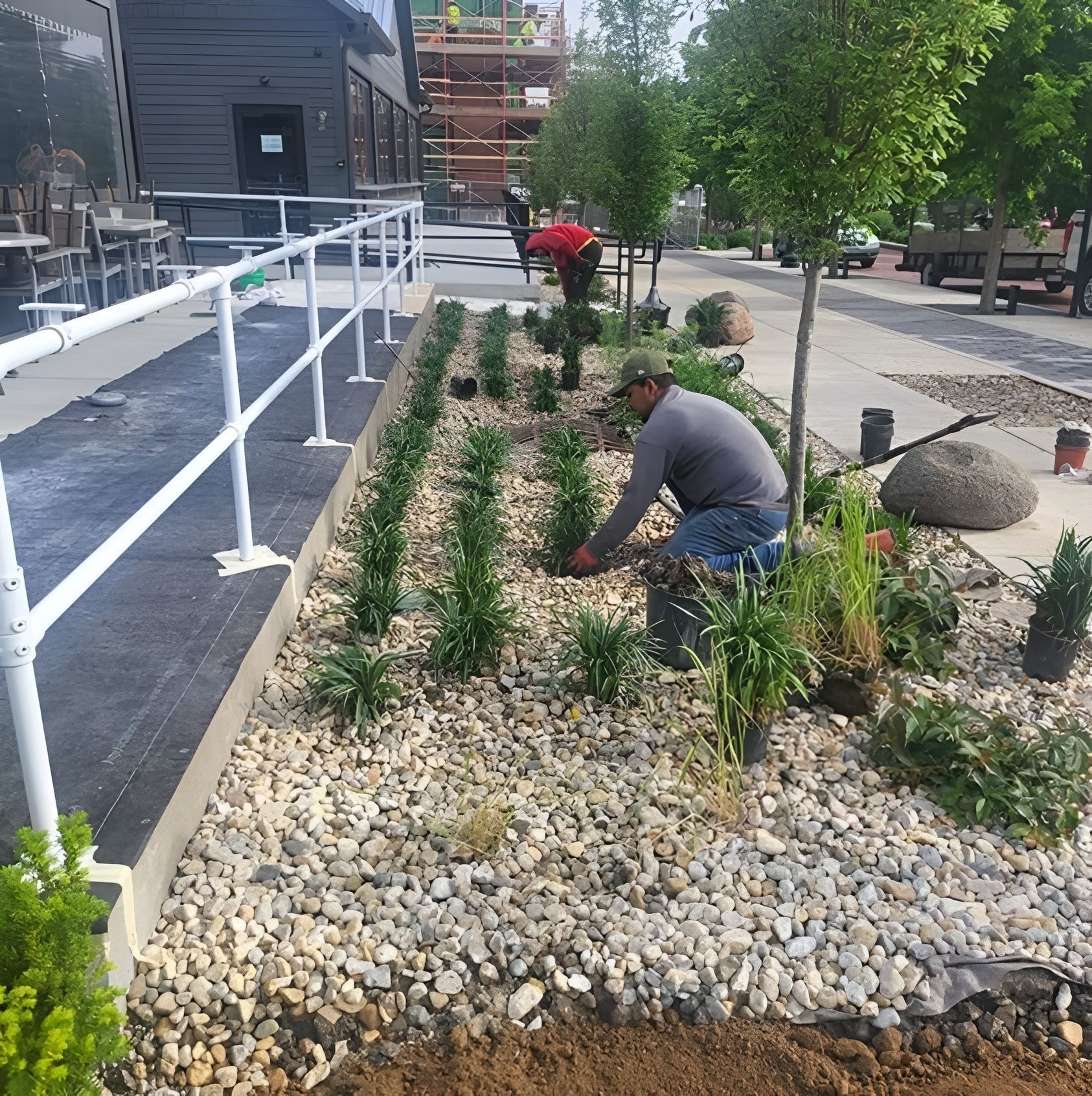
What Garden Bed Installation Actually Includes
Bed installation begins with soil testing or observation to determine drainage characteristics and pH levels that affect plant selection. Layout is marked based on mature plant dimensions to prevent overcrowding and ensure each specimen has adequate space for root development and air circulation. Soil amendments such as compost or sulfur may be incorporated if testing reveals deficiencies or pH incompatible with your plant selections.
Once planting is complete, you notice that shrubs and perennials show new growth within weeks rather than sitting dormant, bed layouts maintain visual balance as plants reach their intended sizes, and seasonal color progression works as planned because bloom times were coordinated during selection. The beds function as designed—whether that involves privacy screening, foundation concealment, or ornamental focal points—because plants are appropriate for their specific locations.
Bed installation includes soil preparation, plant selection and sourcing, installation at proper depth and spacing, and initial mulch application. Ongoing maintenance such as pruning, fertilization, or pest management is typically handled separately based on the specific plants installed and your property's conditions.
Common Questions About This Service
Questions about plant selection, bed preparation, and installation timing help clarify what the garden bed design and planting process involves before work begins.
How are plants selected for Indianapolis climate?
Plant selection focuses on zone 5b hardy species that tolerate winter temperatures to negative fifteen degrees, along with cultivars proven to handle the region's humidity and occasional drought. Native and adapted species typically establish faster because they're suited to local soil and rainfall patterns.
What soil preparation is necessary before planting?
Soil preparation depends on existing conditions found through testing or observation. Clay-heavy soils common in Indianapolis often require organic matter incorporation to improve drainage, while sandy soils may need amendments to increase water and nutrient retention. Proper preparation prevents root rot in poorly draining areas and drought stress in excessively draining locations.
When should garden beds be planted?
Spring and fall planting windows provide moderate temperatures and typically adequate rainfall to support establishment before summer heat or winter cold arrives. Fall planting allows root growth before dormancy, while spring planting provides a full growing season before winter stress.
What spacing is appropriate for new plantings?
Spacing is determined by mature plant dimensions, not current nursery size. Proper spacing prevents overcrowding that restricts air flow and increases disease pressure, though beds initially appear sparse until plants reach intended size over one to three seasons.
How do you ensure plants will thrive in specific bed locations?
Site evaluation identifies sun exposure throughout the day, drainage patterns during rain events, and proximity to competing tree roots or reflected heat from hardscape. Plant selection matches these observed conditions rather than relying on general recommendations that may not apply to your property's specific microclimates.
Indywork Landscaping designs garden beds based on actual site conditions and coordinates plant selection with your goals for color, texture, and seasonal interest. Arrange a consultation to discuss bed locations and the plant characteristics that will perform best in those specific areas.