
Property Design That Reflects How You Use Your Yard
Landscaping Services in Indianapolis for properties needing functional outdoor spaces that support seasonal use and curb appeal
Your property's layout determines how useful your outdoor areas actually become throughout the year. Indywork Landscaping handles landscape design and installation in Indianapolis for homeowners who need outdoor spaces arranged to support specific activities, manage drainage patterns, and withstand the freeze-thaw cycles common to the region. The work involves grading adjustments, plant selection based on exposure and soil conditions, and placement of features that function correctly in different seasons.
Landscape installation addresses everything from circulation patterns across your property to how water moves during spring thaw and summer storms. The design process identifies where plantings will receive adequate light given tree canopy changes, where hardscape elements prevent erosion on slopes, and how bed layouts reduce ongoing maintenance requirements. These decisions directly affect what survives winter and what requires replacement each spring.
Schedule a property evaluation to review specific site conditions and discuss functional priorities for your outdoor spaces.
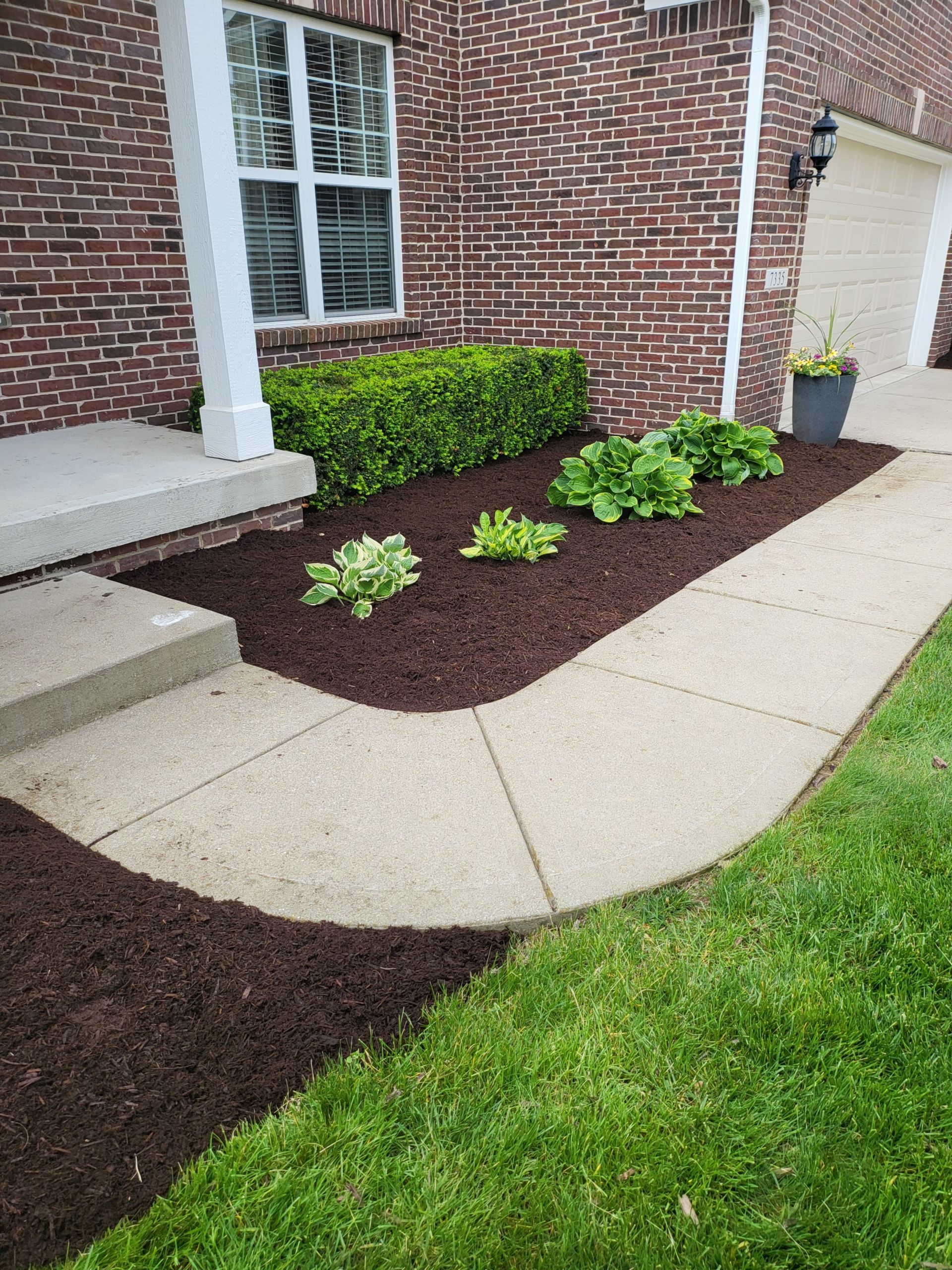
What Proper Landscape Installation Actually Accomplishes
Landscape installation begins with soil assessment and drainage evaluation before any planting or construction begins. You receive a layout that accounts for mature plant sizes, seasonal sun angles, and maintenance access. The grading work directs water away from structures and prevents pooling in low areas where freeze damage occurs during Indianapolis winters.
Once the work is complete, you notice that pathways remain passable after rain, plant beds retain mulch instead of washing out, and trees and shrubs establish root systems quickly because they're placed in appropriate soil conditions. The landscape supports the activities you planned for—whether that involves play areas, garden zones, or outdoor entertaining spaces—without creating new drainage problems or requiring constant replanting.
The installation includes initial planting, mulch application for moisture retention, and edging that separates bed areas from turf. It does not typically include irrigation system installation or ongoing maintenance contracts, though those can be arranged separately based on your property's needs.
What Homeowners Usually Ask
These questions come up frequently when planning landscape projects in the Indianapolis area and help clarify what the design and installation process involves.
What happens during the initial design consultation?
The consultation involves walking your property to assess sunlight patterns, soil drainage, existing vegetation, and how you intend to use different areas. This information determines plant selection, grading needs, and feature placement that will function correctly given your site's specific conditions.
How do you select plants that survive Indianapolis winters?
Plant selection focuses on species rated for zone 5b or colder, with consideration for microclimates on your property such as southern exposures that dry out quickly or northern areas that stay frozen longer. Native and adapted species typically establish faster and require less intervention during temperature extremes.
When should landscape installation be scheduled?
Spring and fall provide ideal planting conditions when soil moisture and temperatures support root establishment before stress periods. Fall planting allows root development before winter, while spring installation provides a full growing season before the next dormant period.
What affects the timeline for a landscape project?
Site preparation requirements such as grading, debris removal, and soil amendment determine how quickly planting can begin. Weather delays are common during wet periods when equipment would compact soil, and plant availability varies seasonally.
What should I expect for bed maintenance after installation?
Newly installed beds require consistent moisture for the first growing season while plants establish roots. Mulch should be replenished annually to maintain depth for weed suppression and moisture retention, and edging may need occasional redefining as turf spreads.
Indywork Landscaping designs outdoor spaces based on how properties actually function through Indianapolis weather conditions and seasonal changes. Request a consultation to discuss your property's layout and what you need from your outdoor areas.