
Turf That Tolerates Weekly Use and Seasonal Stress
Lawn Care Services in Indianapolis for properties where turf quality affects usability and appearance throughout the growing season
Consistent mowing height and sharp blade cuts determine whether your lawn thickens or thins over the course of a season. Turf that's cut too short or torn by dull blades loses moisture quickly and becomes vulnerable to weed invasion during dry stretches common in Indianapolis summers. Indywork Landscaping provides routine lawn maintenance including mowing, trimming, and edging that keeps turf dense enough to crowd out opportunistic weeds while maintaining the appearance you expect from your property.
Lawn care involves adjusting mowing frequency based on growth rates that change with rainfall and temperature, trimming around obstacles and bed edges to prevent grass encroachment, and edging along hardscape to maintain clean separation lines. These tasks affect turf health directly because inconsistent cutting or scalping stresses root systems and creates openings for crabgrass and broadleaf weeds.
Arrange a maintenance schedule to keep turf at optimal height through the growing season.
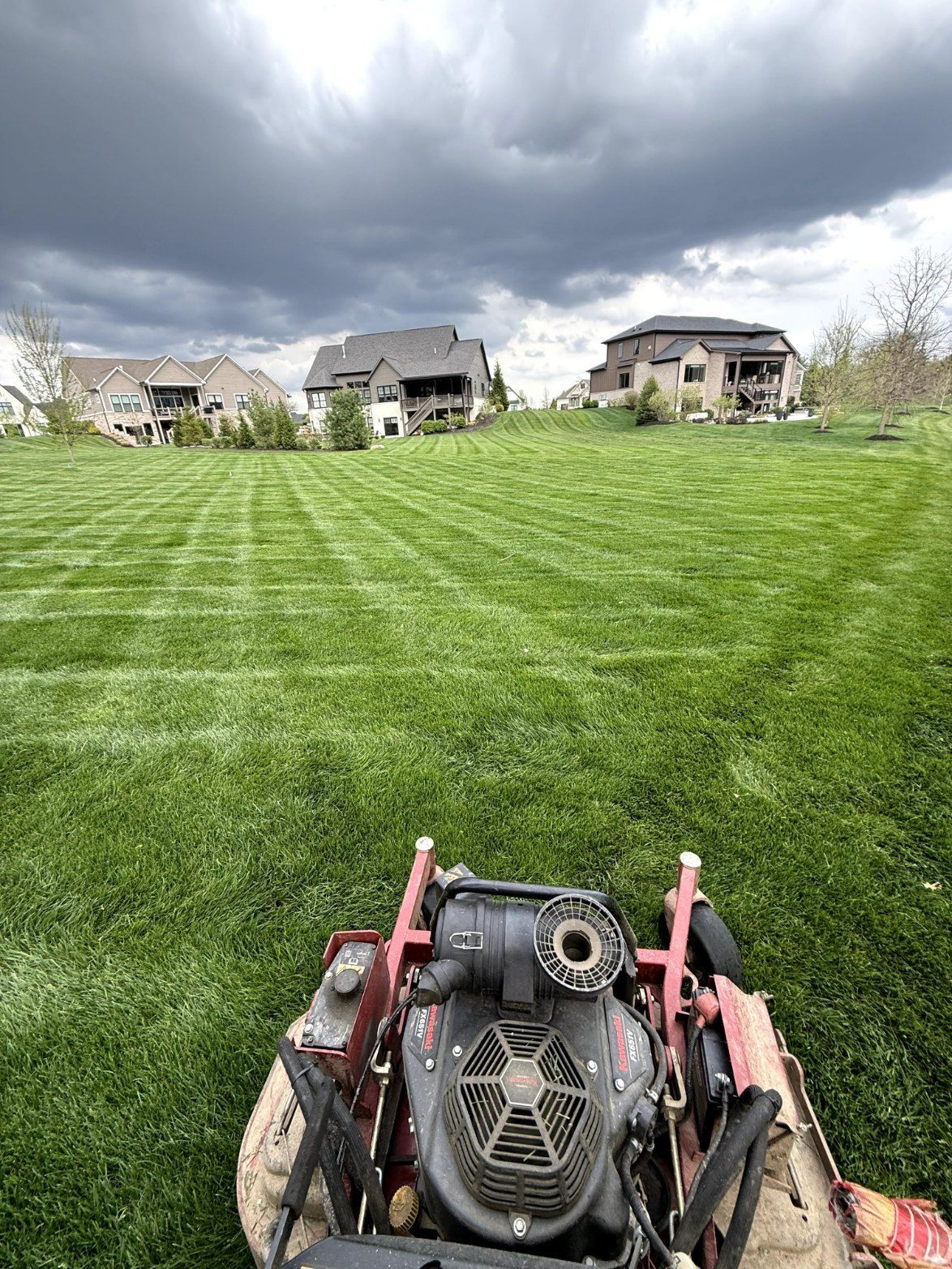
How Routine Maintenance Addresses Turf Density and Weed Pressure
Lawn maintenance begins with blade inspection before each mowing to verify sharpness, followed by height adjustment based on current growth conditions and seasonal stress factors. You receive consistent cutting patterns that avoid repeated wheel compaction in the same areas and trimming that reaches fence lines, tree rings, and bed edges without damaging bark or desirable plantings.
After several weeks of proper maintenance, you notice that the lawn develops a more uniform color because blades are cut cleanly rather than torn, turf density increases in areas that were previously thin, and the edges along walkways and beds remain visibly defined without requiring separate attention. Indywork Landscaping adjusts cutting height seasonally—higher during heat stress to shade roots and retain moisture, lower in spring and fall when temperatures support vigorous growth.
Routine care includes mowing, string trimming, and edging of defined borders. It does not include fertilization, weed control applications, or aeration, though those services can be added based on turf condition and your goals for lawn performance.
Common Questions About This Service
Property owners in Indianapolis typically want to understand how lawn care frequency and techniques affect turf performance before committing to a maintenance schedule.
How often should lawns be mowed during the growing season?
Mowing frequency depends on growth rate, which varies with rainfall and temperature. During peak spring growth, weekly mowing prevents removal of more than one-third of the blade length in a single cut, which stresses the plant. During summer heat or drought, growth slows and mowing intervals extend to every ten days or longer.
What mowing height works best for Indianapolis lawns?
Most cool-season turf species common in this region perform best at three to three and a half inches during summer to shade soil and retain moisture. Lower heights are appropriate in spring and fall when temperatures and rainfall reduce stress, but scalping should be avoided even during ideal conditions.
Why does edging matter for lawn health?
Edging prevents grass from creeping into beds and across hardscape borders where it competes with ornamental plantings and creates ragged appearance. Clean edges also reduce the area where weeds establish at the transition between turf and other surfaces.
What happens if mowing is delayed during rapid growth?
Delayed mowing during spring often requires removing more than one-third of the blade length, which shocks the plant and slows root development. The excess clippings can smother underlying turf if not removed, creating dead patches that invite weed colonization.
How does trimming technique affect turf near obstacles?
String trimmer contact with tree bark or shrub stems causes wounds that invite disease and pest problems. Proper trimming maintains clearance around obstacles while removing grass close enough to prevent overgrowth and hand-trimming needs.
Indywork Landscaping adjusts maintenance practices based on current turf conditions and seasonal growth patterns specific to Indianapolis climate. Request an estimate to establish a mowing schedule that supports your lawn's density and appearance goals.