
Outdoor Features That Handle Freeze Cycles
Hardscaping Services in Indianapolis for properties needing retaining walls, stone features, or paver installations that withstand seasonal ground movement
Retaining walls crack and pavers shift when the ground beneath them freezes and thaws repeatedly through Indianapolis winters. Indywork Landscaping builds landscape walls and installs stonework designed to handle the expansion and contraction that comes with seasonal temperature swings. The work creates functional outdoor spaces that remain level and intact after years of freeze-thaw cycles.
Hardscaping installation involves excavating to stable soil depth, adding compacted base material that drains water away from the structure, and setting stone or pavers with proper slope and spacing. Walls include drainage systems behind the stone to prevent water pressure from building up and pushing the wall forward during freeze events.
Arrange an on-site consultation to review your property's slope and drainage conditions before planning wall or paver placement.
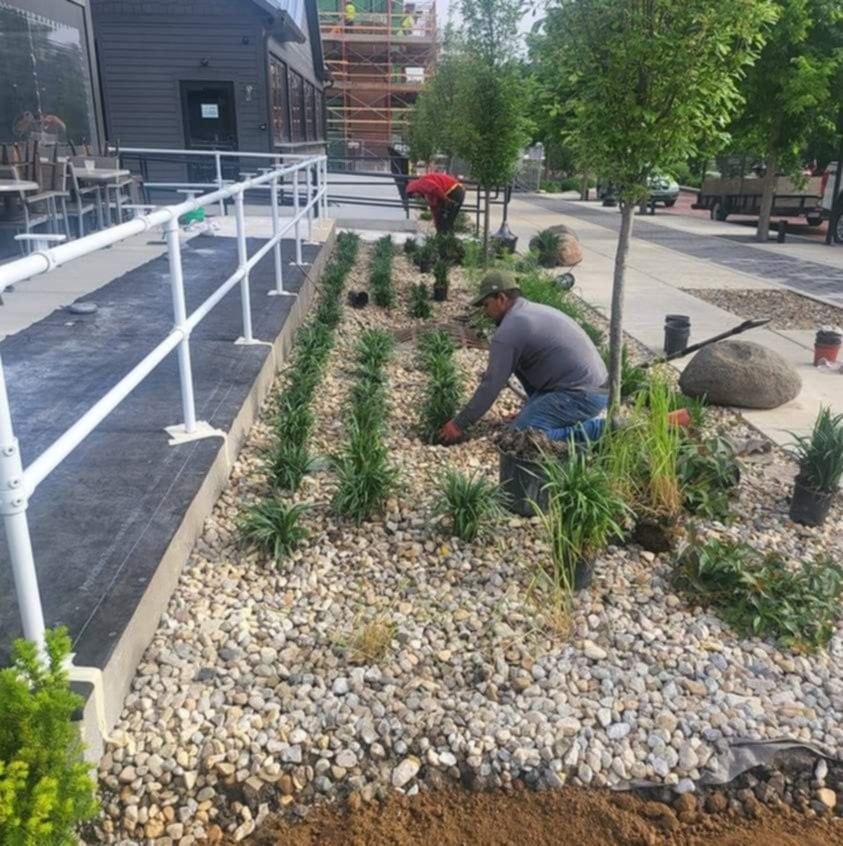
How Hardscaping Addresses Ground Movement
The base material beneath any hardscape feature is excavated and replaced with layers of crushed stone that compact tightly and allow water to drain through rather than pooling. Each layer is compacted separately using mechanical equipment to create a stable platform that resists shifting when the ground freezes. Walls over three feet tall include gravel backfill and perforated pipe to direct water away from the structure.
After installation, you'll see walls that remain plumb and level without leaning forward or developing cracks along mortar joints. Paver surfaces stay even without individual stones sinking or lifting at edges, and water drains off the surface rather than collecting in low spots. Steps remain secure without wobbling or separating from adjacent sections.
Hardscaping work includes excavation, base preparation, and stone or paver installation, but does not include landscaping around the completed feature or irrigation system integration. Properties with significant slope may require additional grading or engineering to ensure long-term stability of retaining walls.
Answers to Frequent Service Questions
Clients planning outdoor features typically ask about how installations hold up through winter conditions and what factors affect the durability of stone and paver work.
Why do retaining walls fail after a few years?
Walls without proper drainage systems collect water behind them, and when that water freezes it expands and pushes the wall forward, causing cracks and eventual collapse.
What base depth is required for paver patios in Indianapolis?
A minimum of six inches of compacted crushed stone is standard, but areas with clay soil or poor drainage may require eight to ten inches to prevent settling and surface unevenness.
How is stonework different from paver installation?
Stonework typically uses larger irregular pieces set in mortar for walls and features, while pavers are uniform modular units set in sand for patios and walkways, each requiring different base preparation methods.
When should hardscaping work be completed?
Spring and fall allow for proper excavation and compaction without ground being frozen or overly saturated, and installations have time to settle before winter freeze cycles begin.
What prevents pavers from shifting apart over time?
Edge restraints installed along the perimeter lock pavers in place, and polymeric sand swept into joints hardens to prevent individual units from moving independently.
Indywork Landscaping designs and installs landscape walls and paver features across Indianapolis properties where seasonal ground movement and drainage create long-term durability concerns. Request a project estimate to address your specific site conditions and layout preferences.